Where taste comes from
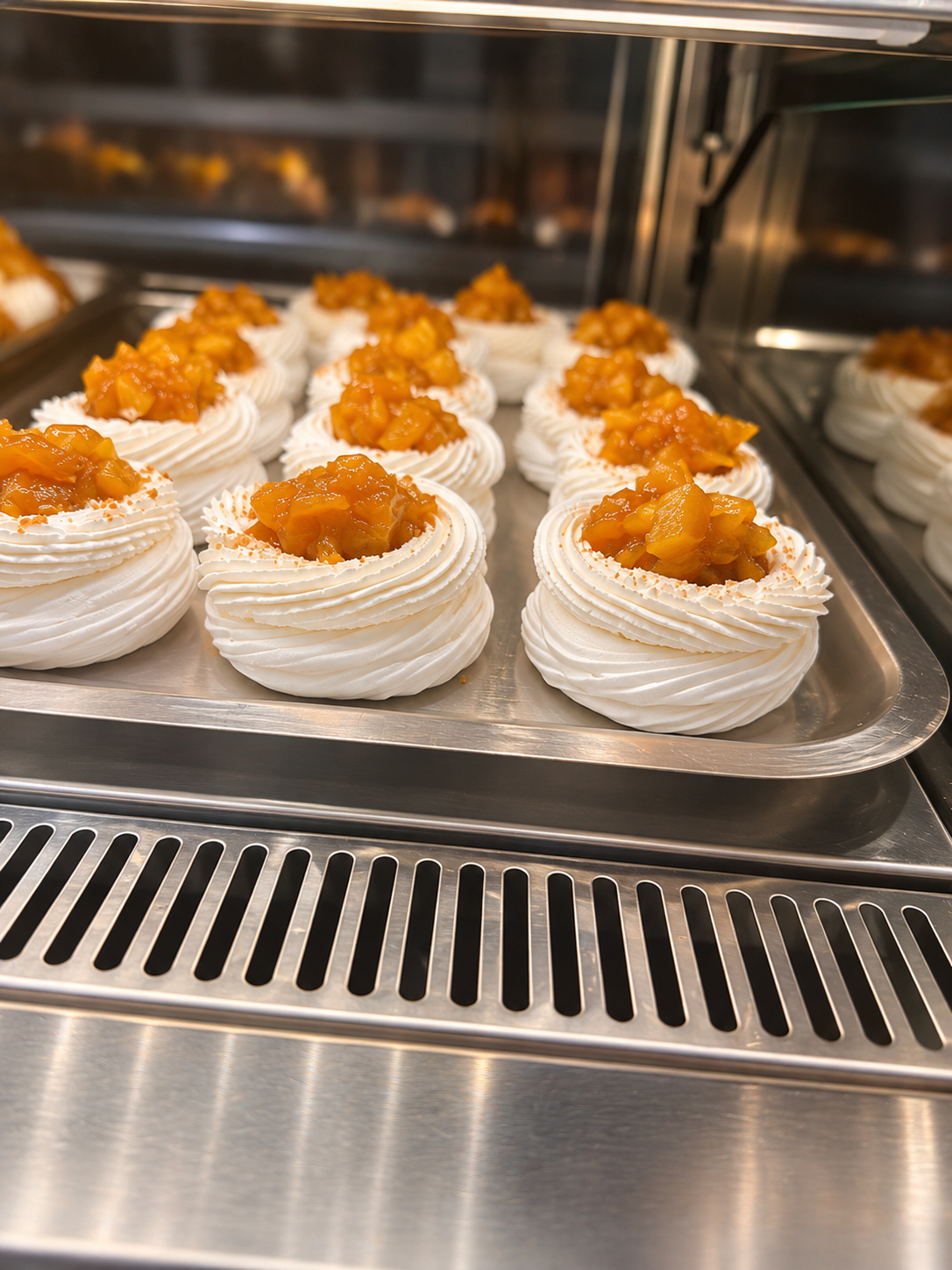
Pavlova, the elegant meringue dessert that won the world and returned to the Magica display
Discover the story of the Pavlova dessert, the difference between meringue and Pavlova, and how this dessert returned to the Magica pastry shop display in Dorohoi.
Echipa Magica ·
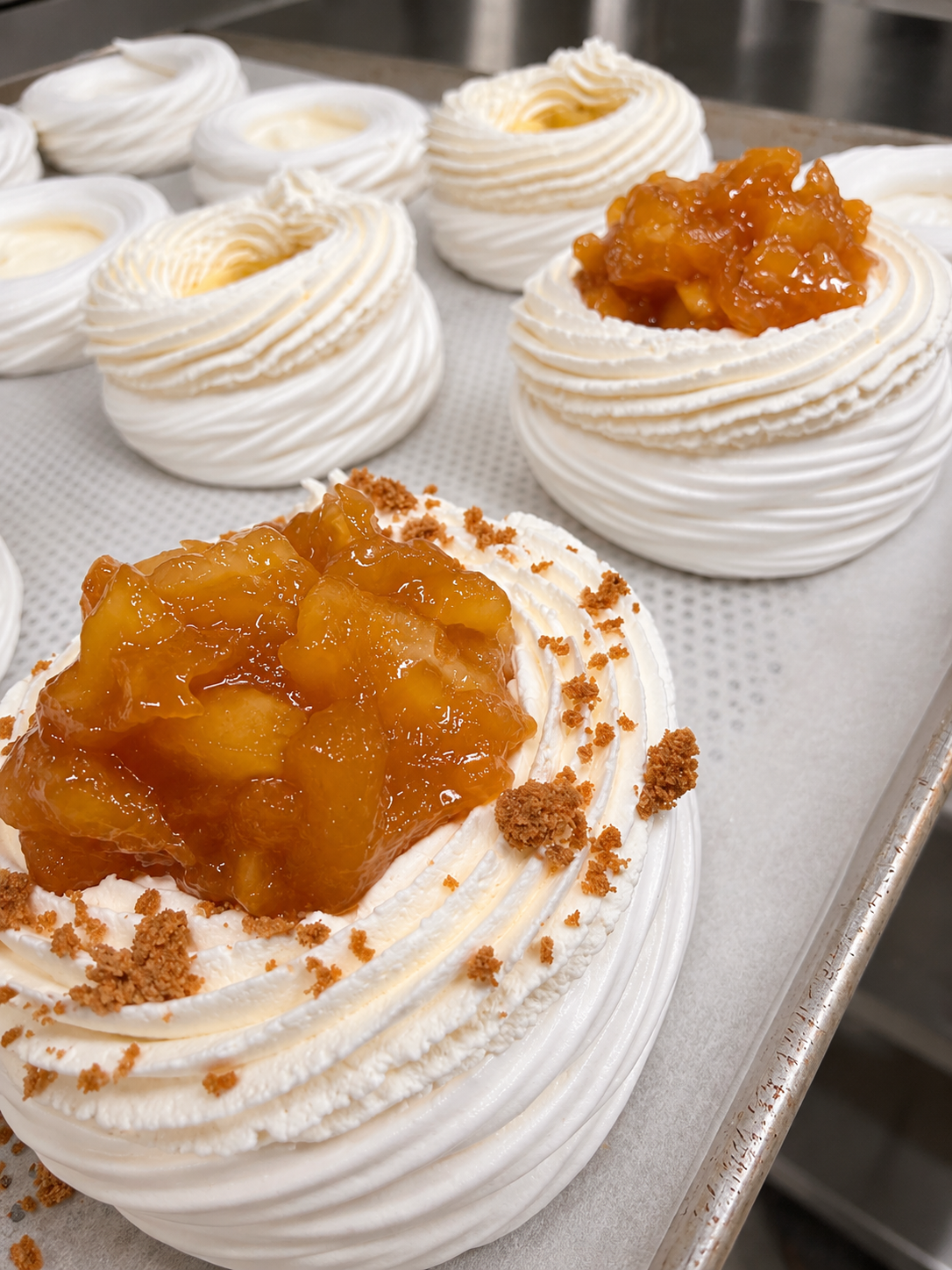
A dessert with an international story, a unique texture and its own history in the Magica laboratory.
What is Pavlova and where does the name come from?
Pavlova is a dessert built on a meringue base: crisp on the outside and soft, almost marshmallow-like, on the inside. Cream and fruit are added on top, and the result is a light, elegant dessert full of textural contrast.
It is named after Anna Pavlova, the famous Russian ballerina who toured Australia and New Zealand in the 1920s. The dessert was created in her honour, and the delicacy of the white meringue was associated with her legendary tutu.
Australia or New Zealand? The story of Pavlova's origin
The origin of the Pavlova dessert is one of the best-known culinary disputes in the world. New Zealand points to a recipe published as early as 1929 featuring meringue, cream and fruit, while Australia claims that the version close to today's dessert was developed there, around 1935.
What is certain is that Pavlova became an iconic dessert in both countries and, from there, conquered pastry shops around the world.
Pavlova and meringue: what is the difference?
Although both start from egg whites beaten with sugar, the result is different. Classic meringue is baked until it becomes dry and crisp throughout, while Pavlova keeps a soft, creamy interior, thanks to a gentle oven and a careful balance of ingredients.
Classic meringue
- Crisp and dry throughout
- Compact, light structure
- Served plain or in cakes
- No cream or fresh fruit
Pavlova
- Crisp outside, soft inside
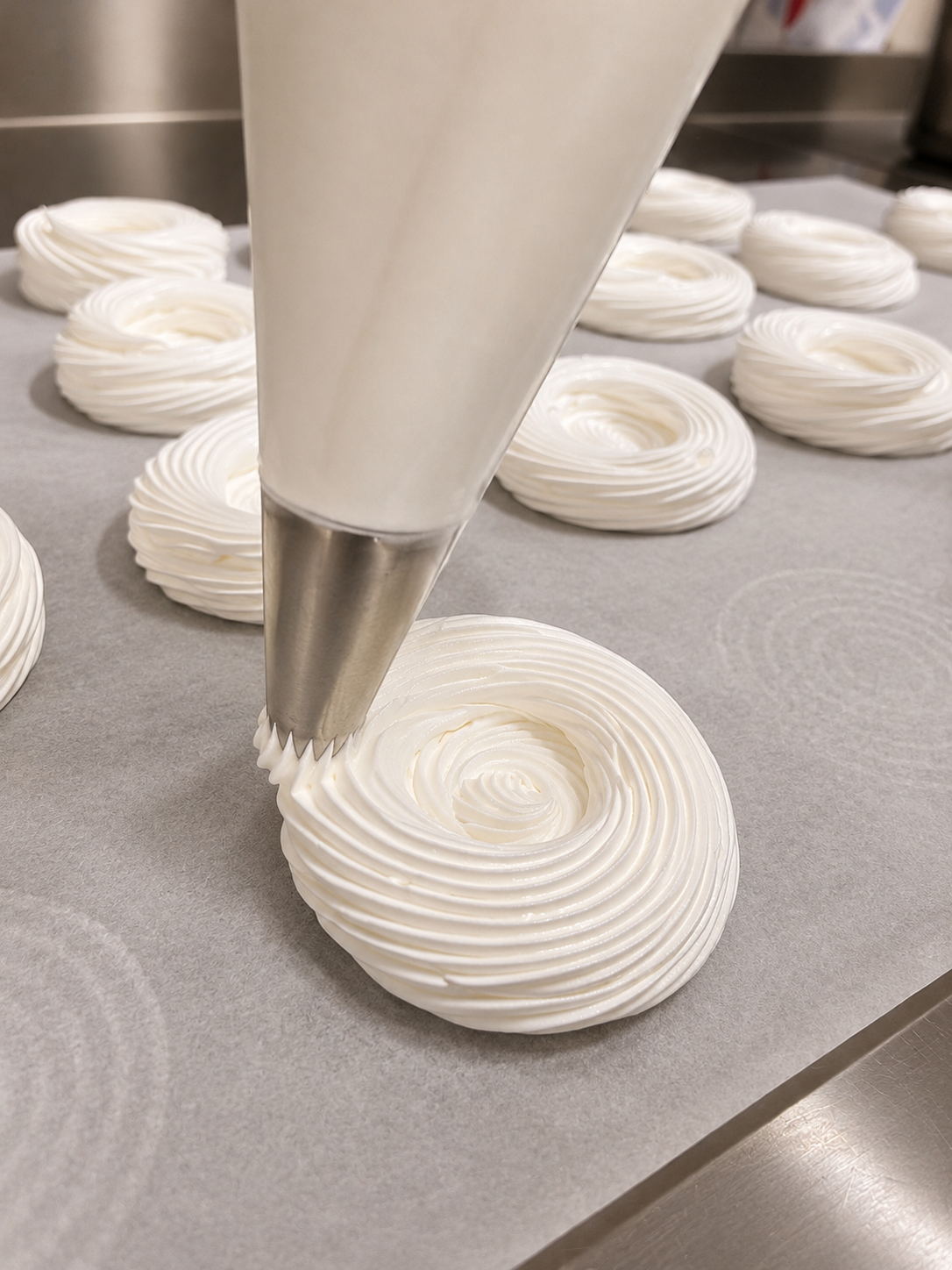
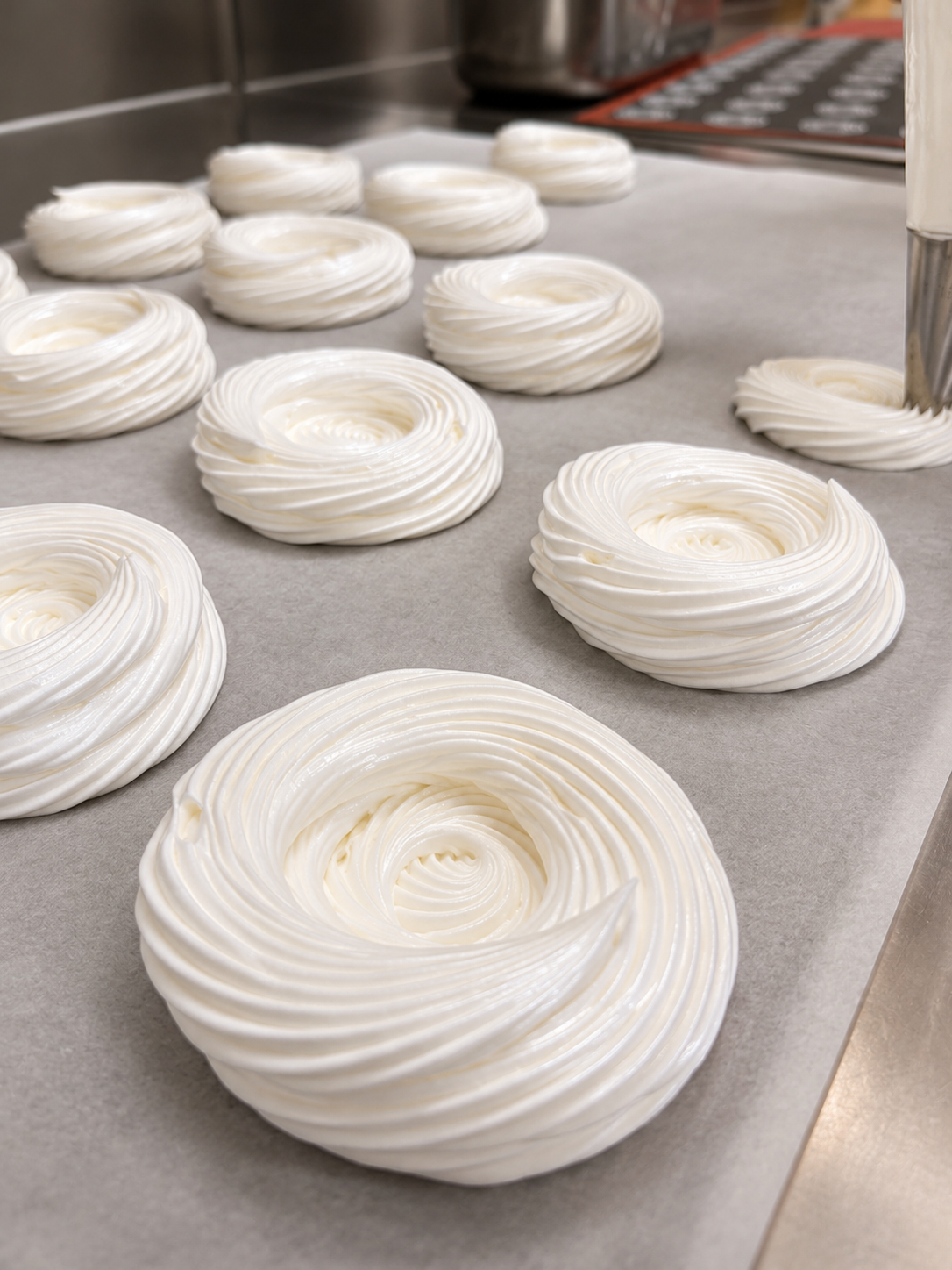
- Generous nest-shaped base
- Served as a dessert of its own
- With cream and fresh fruit
What makes a good Pavlova?
Everything starts with the meringue structure: the egg whites must be whipped correctly, and baking happens slowly, at a low temperature, so the outside stays crisp and the inside soft.
The cream brings freshness and roundness, while the fruit balances the sweetness of the meringue with its natural acidity. A good Pavlova is, in the end, a matter of balance: sweet, fresh and textured, all in the same spoonful.
From the meringues of the '90s and 2000s to today's Pavlova
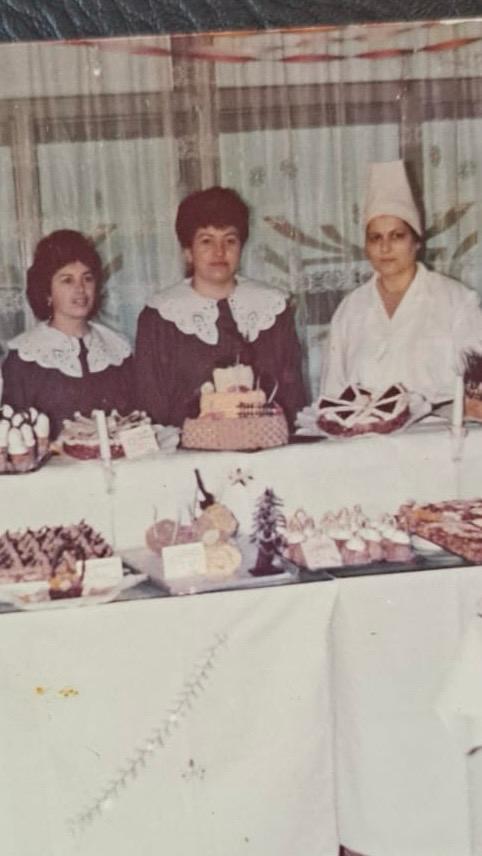
In the Magica laboratory, meringues have a long history. Back in the 1990s and early 2000s we were preparing classic meringues, and when Pavlova became a beloved dessert around the world, we started preparing it too, at different times and in different variations.
Today, Pavlova has returned to the Magica display. It proves that the pastry craft never stands still: we keep the classic technique and adapt it to changing tastes.
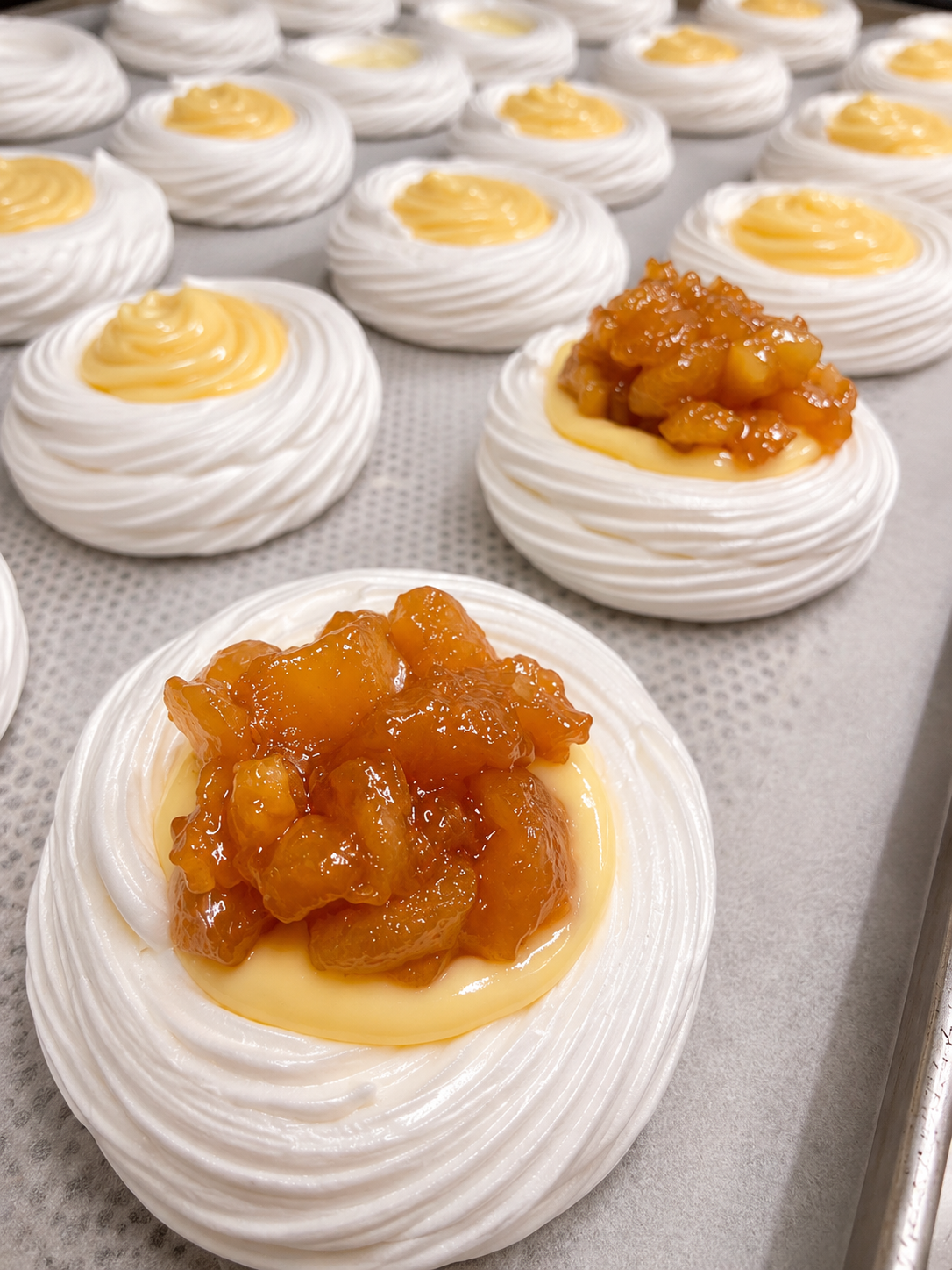
Trends change, the craft remains
At Magica we believe a good pastry chef does not simply reproduce a recipe, but understands why it works. We respect classical confectionery techniques, we know our ingredients and textures, and we continuously adapt to trends without giving up craftsmanship.
Pavlova is a good example: a dessert with an international story, prepared here, in Dorohoi, with the same care we have worked with for over three decades.
Pavlova is back in the Magica display!
And because some desserts deserve to return, Pavlova is once again in the Magica display.
If you enjoy delicate desserts with different textures and balanced combinations, we invite you to discover it.
You can find it at Magica, on Dimitrie Pompeiu Street no. 9, in Dorohoi.